Balanced Fetch: Calm Play for Dogs Who Get Obsessed
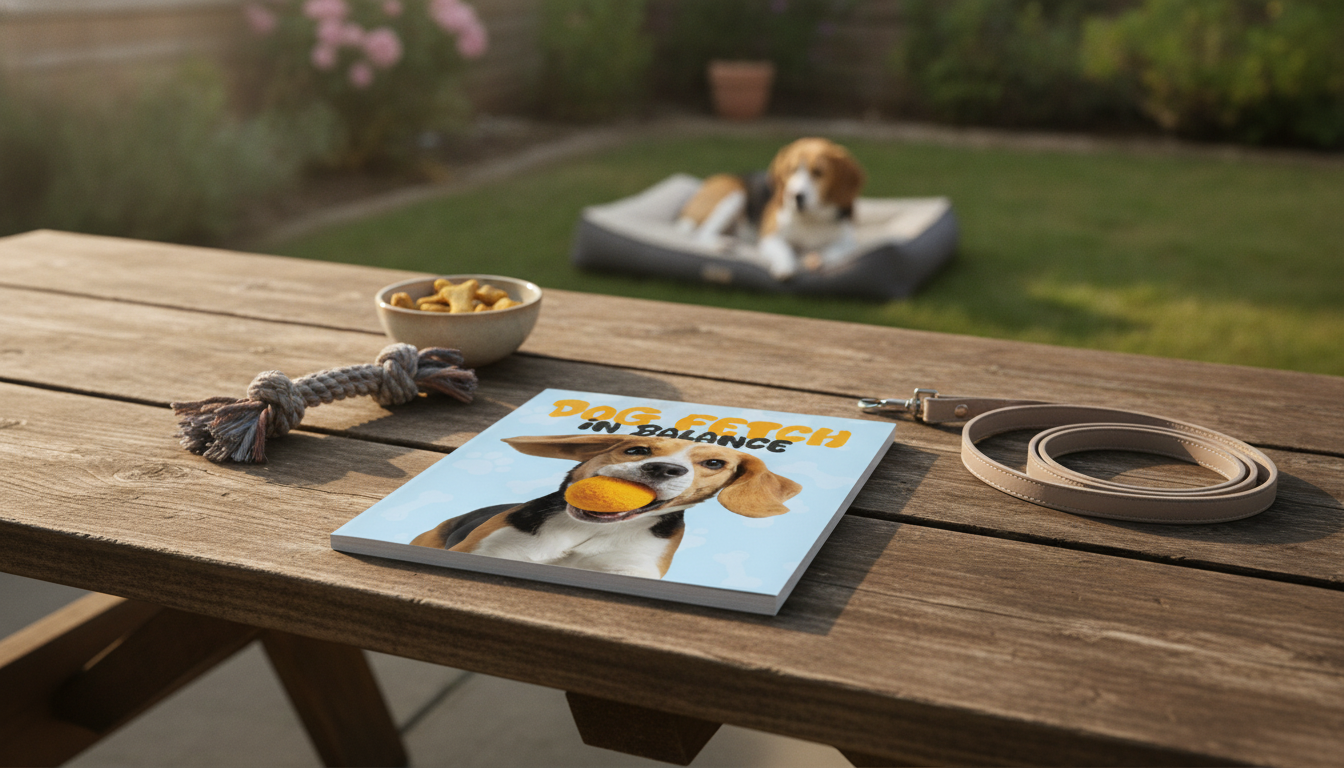
Helping Your Dog Love Fetch in Balance: A Calm, Healthy Way to Play
Fetch can be a fantastic way to bond, burn energy, and practice training skills—but it can also tip into a pattern that looks like “fun” on the surface while leaving a dog overstimulated, restless, and unable to settle. A balanced approach protects joints, reduces stress, and keeps play enjoyable instead of compulsive. The goal isn’t to ban fetch; it’s to add boundaries, recovery time, and real choice so your dog can play hard and relax well afterward.
When Fetch Stops Being Fun
Some dogs don’t just “love” fetch—they start to need it, and the game becomes louder, faster, and harder to pause. Common signs include frantic scanning for the ball, ignoring food or rest, barking or pawing to demand throws, and escalating intensity over time.
Watch for bigger shifts, too: difficulty settling after play, obsessive carrying and dropping of toys, guarding the ball, or clear distress when the ball is put away. These patterns matter because chronic high arousal can spill into reactivity, weaker impulse control, and reduced learning. On the physical side, repetitive sprinting and sharp turns can strain joints and soft tissue—especially on slippery floors or hard ground.
A helpful reframe: you’re aiming for “fetch with rules,” not “no fetch.”
Why Some Dogs Become Obsessed With Fetch
Fetch is a powerful reinforcement loop. The throw is predictable and highly rewarding, so some dogs learn to demand it more and more. For certain personalities, adrenaline-fueled play becomes self-reinforcing; a dog can look thrilled while actually being stuck in a revved-up, stressed state.
Genetics can contribute, too. Many herding breeds, retrievers, and high-drive mixes are more prone to repetitive, high-intensity games. Environment plays a role as well: if fetch is the primary outlet, enrichment is limited, or routines are inconsistent, the “ball = life” pattern can grow quickly.
Don’t ignore health considerations. Pain, itchiness, or discomfort can increase restless behavior and make fixation worse. If the intensity is new or escalating, a veterinary check is a smart first step.
Quick Self-Check: Is Your Dog Over the Threshold?
During play, look for body signals that suggest your dog is no longer thinking clearly: dilated pupils, hard staring, a tense mouth, frantic pacing, inability to respond to known cues, or grabbing the toy without pausing. After play, ask a simple question: can your dog settle within 5–10 minutes with a chew or on a mat, or do they keep demanding more?
Rule of thumb: if your dog can’t easily pause, can’t easily stop, or can’t easily relax afterward, the game needs a reset.
Resetting Fetch: Rules That Create Calm
Structure is what turns fetch from a “slot machine” into a training game your dog can recover from.
- Start and end clearly: Bring fetch out by invitation, and put it away before your dog tips into frantic mode.
- Build pauses into the game: After each throw (or every few throws), ask for a simple cue like “sit,” “touch,” or “down,” then release back to play.
- Teach a predictable stop cue: Pair “all done” with putting the toy away and immediately offering a calm alternative (sniff walk, scatter feeding, chew).
- Make throws safer: Rolling the ball, short tosses, and playing on grass reduce impact and sharp pivoting compared with long-distance launches.
- Prioritize consent: If your dog can’t disengage, the “choice” to stop isn’t real. Keep sessions short and switch to calmer activities before fixation spikes.
Teaching the Off-Switch (Without Turning Play Into a Battle)
For guidance on humane, low-conflict training strategies, the AVSAB position statements on humane dog training are a solid reference point.
Balanced Alternatives That Still Meet the Need to Chase and Work
For more on why mental stimulation matters, the RSPCA guidance on enrichment for dogs is a helpful overview.
A Simple Weekly Plan to Bring Fetch Back Into Balance
Balanced Fetch Session Checklist
| Step | What to Do | What to Look For |
|---|---|---|
| Warm-up | 30–60 seconds of walking/sniffing before the first throw | Looser body, less frantic scanning |
| Mini set | 3–5 short tosses or rolls on safe footing | Responds to name and simple cues |
| Pause | Ask for sit/down/touch; reward calm | Can pause without vocalizing or lunging |
| End cue | Say “all done,” put toy away, offer chew/sniff game | Settles within 5–10 minutes |
| Review | If arousal spiked, shorten next time and add more breaks | Steady improvement across the week |
When to Get Extra Help
Avoid punishment for ball-fixation. It can increase stress and make the cycle harder to resolve. For background on compulsive patterns, see the AKC overview of compulsive disorders in dogs.
Recommended Digital Guides
- Helping Your Dog Love Fetch in Balance (digital guide) — practical routines for start/stop cues, calmer pauses, stronger drop/leave skills, and building a reliable off-switch.
- Positive Parenting Tips Guide (digital guide) — useful for households teaching calm, consistent communication and routines that can support a quieter home environment during dog training.
FAQ
How can you tell if fetch is becoming obsessive?
Signs include persistent ball-seeking, difficulty disengaging, demanding behaviors (barking/pawing), distress when the ball is unavailable, ignoring other rewards, and poor recovery after play. If the pattern is intense or worsening, a veterinarian or qualified trainer can help assess what’s driving it.
Should fetch be stopped completely if a dog is fixated on the ball?
Many dogs do best with a temporary pause or a structured reset rather than unlimited throwing. Controlled sessions with built-in breaks, clear start/stop cues, and more enrichment options often bring fetch back into a healthy place.
What can replace fetch for high-energy dogs?
Sniff walks, search games, structured tug, trick training, food puzzles, and controlled retrieves can provide exercise and mental work without the same frantic sprint cycle. A rotation of activities also helps teach calm and prevents fixation on one game.








Leave a comment