Minimalist Furniture Layout for Easy Cleaning
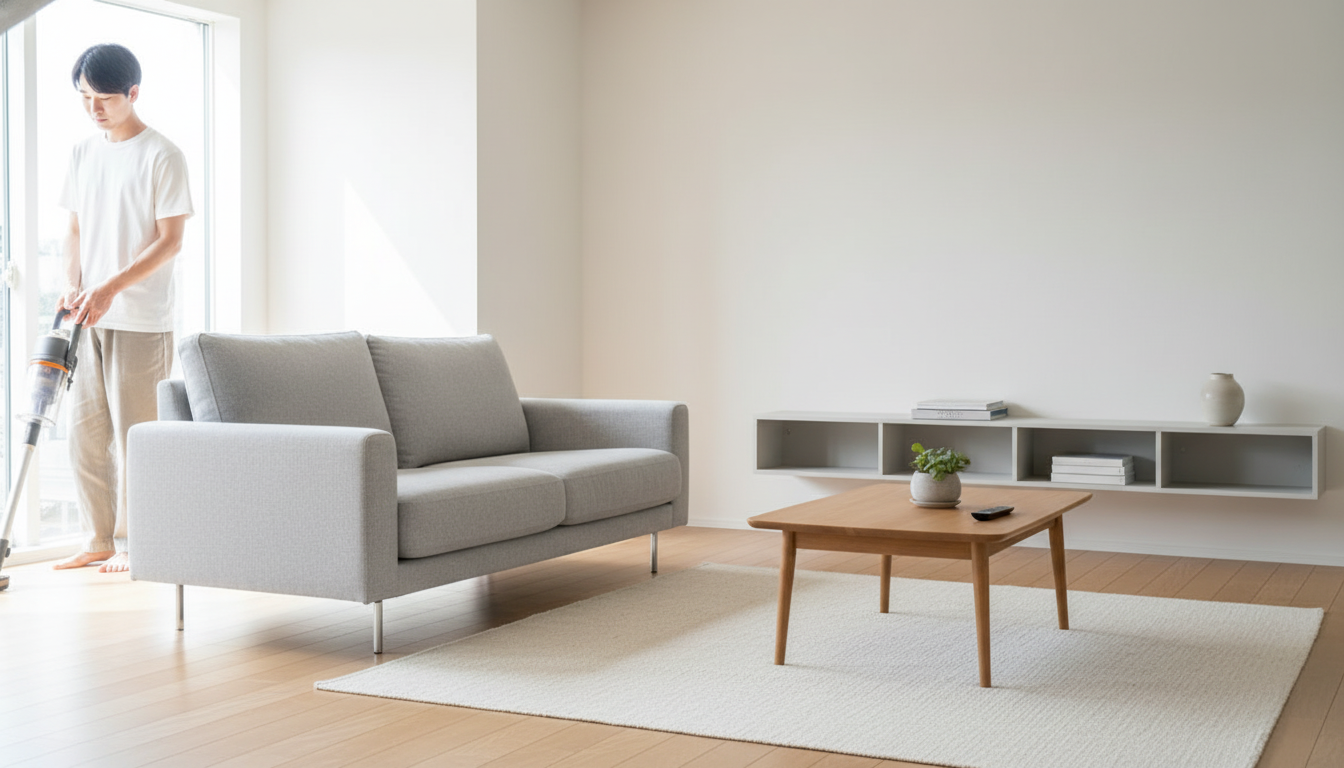
A Minimalist Furniture Layout That Stays Easy to Clean
An effortless-clean home starts with a layout that respects airflow, walking paths, and tool access. By choosing fewer, better-placed pieces and keeping predictable clearances around walls and under furniture, daily tidying becomes faster and deep cleaning stops feeling like a furniture-moving workout.
Start With Cleaning Paths, Not Decor
Before picking a rug or deciding where art goes, map how you’ll move through the room and how you’ll clean it. A minimalist layout isn’t about emptiness—it’s about removing friction.
- Sketch the room as simple rectangles: doors, windows, vents, and the largest fixed items (radiators, built-ins).
- Mark primary routes: entry to seating, seating to kitchen, bed to closet; keep routes straight and uncluttered.
- Designate a “cleaning lane” around the perimeter so dusting and vacuuming can happen without shifting furniture.
- Prioritize access to outlets and baseboards to avoid cord tangles and dust traps.
That perimeter lane also supports healthier airflow—something the EPA’s indoor air quality guidance highlights as part of a cleaner-feeling home.
Use Clearances That Match Your Tools
If a vacuum head can’t glide through, dust and crumbs will settle into the “unreachable” zones—and those zones multiply fast. Plan your gaps around what you actually use: vacuum, broom, mop, and your own shoulders when carrying a laundry basket.
- Leave enough space for a vacuum head or mop to pass without snagging table legs or pushing objects.
- Maintain consistent gaps behind sofas, bookcases, and beds to prevent hidden debris buildup.
- Choose a “no-squeeze” rule: if a person can’t comfortably pass, cleaning tools won’t either.
- Treat corners as dust magnets; avoid wedging furniture tightly into corners unless it’s fully flush and sealed.
Practical clearances for easy maintenance
| Area | Recommended clearance | Why it helps |
|---|---|---|
| Main walkways | 30–36 in (76–91 cm) | Reduces scuffs, makes quick vacuum passes easier |
| Behind sofa/console | 4–6 in (10–15 cm) | Allows dusting and prevents debris buildup |
| Between coffee table and sofa | 16–18 in (41–46 cm) | Comfortable movement and easy floor cleaning |
| Bed sides (at least one side) | 24–30 in (61–76 cm) | Easier sheet changes and vacuuming under/around bed |
| Under-furniture height | 4+ in (10+ cm) or fully flush to floor | Either fits a vacuum/mop, or blocks dust from collecting under |
Pick Fewer Pieces With “Lift and Reach” in Mind
Minimalism that’s easy to maintain usually comes down to two questions: Can you reach the floor around it, and can you move it without making a project out of cleaning?
- Favor furniture with legs (or fully sealed bases) over low, tight clearances that trap dust.
- Limit micro-surfaces (small shelves, skinny ledges) that collect clutter and require frequent wiping.
- Use closed storage where possible to reduce dusting time and visual noise.
- Select lightweight accent pieces that can be moved one-handed for weekly cleaning.
For day-to-day hygiene basics (especially high-touch areas), the CDC’s cleaning guidance is a helpful reference—your layout should make those quick wipe-downs and vacuum passes easy to keep up with.
Create Zones That Prevent Clutter Creep
Clutter is often a “migration” problem: items drift toward the nearest flat surface. A minimalist layout works best when every zone has a clear job—and a stopping point.
- Assign a drop zone near the entry (tray, hooks, slim cabinet) so items don’t migrate onto dining tables and counters.
- Keep a single “reset basket” per room for fast pickups; empty it on a schedule.
- Use one surface per zone for daily essentials and keep everything else in storage.
- Avoid “dead corners”; either leave them open or give them one purpose (plant stand, hamper, charging station).
Arrange the Living Room for Fast Floor Access
The living room is where dust, crumbs, and cords like to gather. Build a layout that keeps the floor “openable” in under a minute.
Arrange the Bedroom for Easy Linen Changes and Under-Bed Cleaning
Make a “Two-Minute Reset” Layout
Smart Layout Planning With a Minimalist Guide
For a guided system that pairs minimalist layout principles with practical maintenance goals, see: How to Arrange Furniture for Easy Cleaning | Minimalist Home Design eBook, Smart Layout Guide, AI-Enhanced Space Planning for Effortless Maintenance.
A small “reset routine” toolkit (optional)
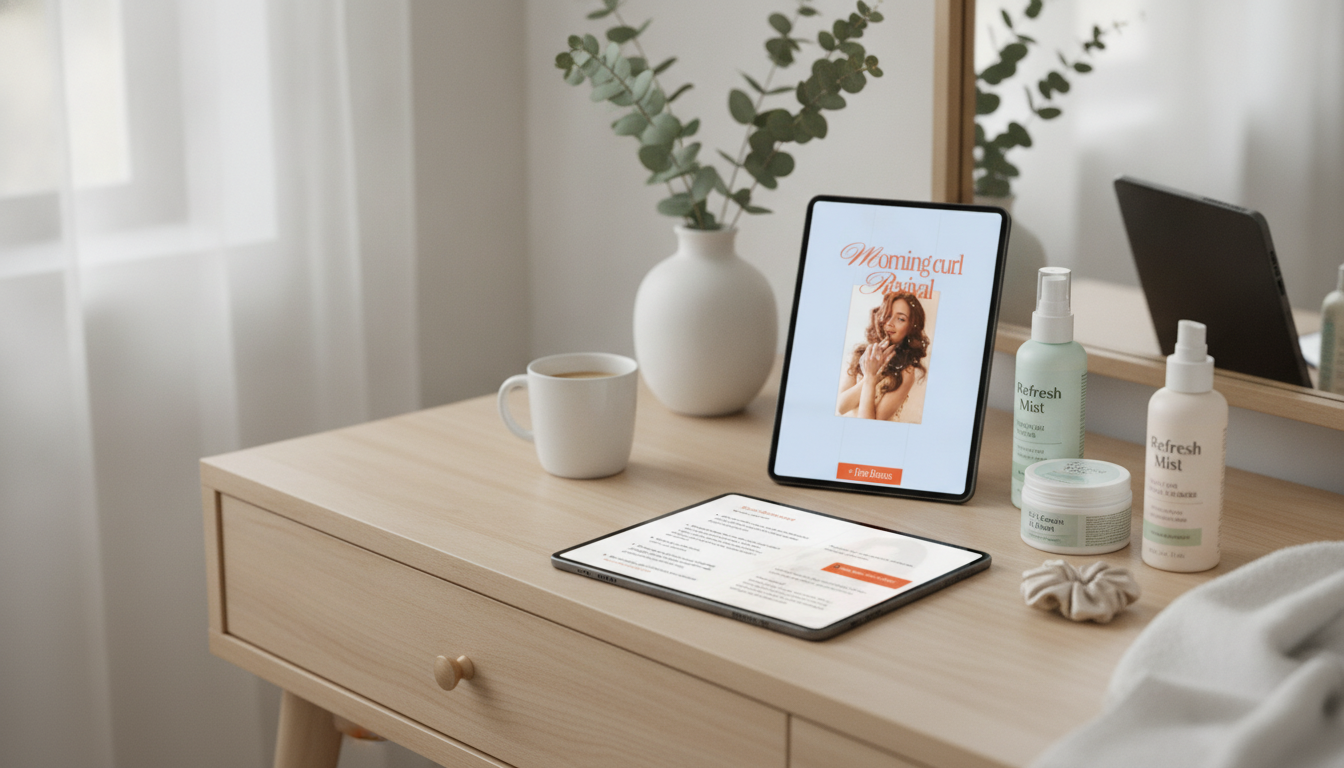
- Morning Curl Revival – Digital Curl Guide | How to Refresh Curls in the Morning | Wavy & Curly Hair Refresh Routine (a streamlined morning routine helps protect the “two-minute reset” mindset).
- Positive Parenting Tips Guide | Gentle Parenting eBook | Empathic Communication | Digital Download for Moms & Dads (clearer household expectations can reduce clutter hotspots).
- 12-Cup Espresso Coffee Maker with Auto Pause and Glass Carafe (a single, reliable coffee station can prevent counter sprawl).
FAQ
What furniture layout is easiest to keep clean?
The easiest layouts to maintain have open walkways, a consistent perimeter “cleaning lane,” and fewer small surfaces where clutter collects. Choose pieces with either 4+ inches of under-furniture clearance for tools or fully flush bases that block dust from building up underneath, and use closed storage to cut down on dusting.
How much space should be left between furniture and walls for cleaning?
For large pieces like sofas and consoles, 4–6 inches behind the furniture is a practical range that lets you dust baseboards and prevents hidden debris. Fully flush built-ins can sit tight to the wall, but avoid narrow gaps that become unreachable dust traps.
Is minimalist design really easier to maintain day to day?
Yes—fewer items and clearer zones reduce time spent picking up, dusting, and reorganizing. When surfaces stay mostly clear and tools can reach the floor easily, cleaning becomes a quick routine instead of an occasional overhaul.










Leave a comment